Woven materials have long been celebrated in furniture and interior design for their durability, flexibility, and aesthetic appeal. Among these, plastic cane roll ↗ has emerged as a highly versatile option. Made from high-quality synthetic materials, plastic cane roll replicates the traditional look of natural cane while offering increased resistance to moisture, UV rays, and wear. This makes it ideal for both indoor and outdoor furniture applications, providing style and long-lasting functionality.
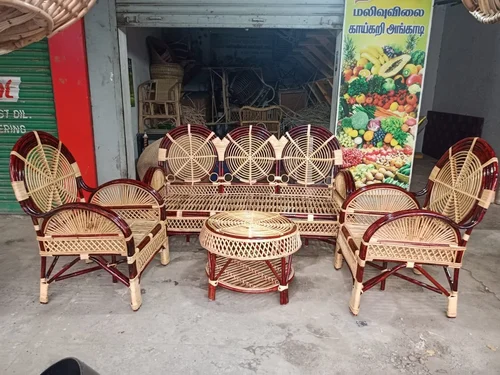 One of the key advantages of plastic cane roll is its flexibility. The material can be easily cut, shaped, and installed on various furniture frames, such as chairs, sofas, and decorative panels. Its breathable structure adds comfort to seating applications, while the woven pattern enhances the visual appeal of the furniture. Designers and homeowners appreciate plastic cane roll for its ability to provide the classic charm of natural cane with the added benefits of durability and low maintenance.
Plastic cane roll is particularly suitable for outdoor use. Unlike natural cane, which may deteriorate due to sunlight, rain, or pests, synthetic cane maintains its color, shape, and strength over time. This makes it perfect for gardens, patios, balconies, and poolside furniture. Its weather-resistant qualities ensure that furniture remains elegant and functional even under harsh conditions, requiring minimal upkeep.
In addition to plastic cane roll, Rattan Webbing ↗ is widely used in contemporary and traditional furniture design. Rattan webbing consists of thin, flexible strips of rattan woven into a durable sheet, which can be applied to chair seats, backs, and decorative panels. The intricate weave provides both strength and comfort, making it ideal for seating furniture. Its natural texture and classic pattern add a touch of sophistication to homes, offices, cafés, and resorts.
Rattan webbing offers versatility in design and installation. Available in various patterns and widths, it can be adapted to suit different furniture styles, from rustic and traditional to modern and minimalist. Its breathable structure ensures comfort, especially in warm climates, while the aesthetic appeal of handwoven rattan adds elegance to any space. Many designers use rattan webbing to create room dividers, cabinet doors, or wall panels that combine functionality with artistic charm.
Durability and sustainability are additional reasons why plastic cane roll and rattan webbing are popular choices. Plastic cane roll is made from long-lasting synthetic materials, reducing the need for frequent replacements and making it an environmentally conscious option. Rattan webbing, sourced from sustainable rattan palms, provides an eco-friendly alternative to synthetic or heavily processed materials. Both materials support sustainable furniture practices while delivering a high-quality, stylish look.
Maintenance of plastic cane roll and rattan webbing is simple and convenient. Regular dusting or wiping with a damp cloth keeps the surfaces clean, and mild soap solutions can be used for deeper cleaning. Unlike traditional cane or wood furniture, there is no need for polishing or oiling, which makes these materials ideal for high-traffic areas or outdoor settings. Proper care ensures that furniture retains its appearance and functionality for years.
These materials are equally suited for commercial and residential use. Restaurants, cafés, hotels, and office lounges often incorporate plastic cane roll and rattan webbing in furniture design to create stylish, durable, and comfortable spaces. Their combination of longevity, visual appeal, and ease of maintenance makes them an attractive choice for both homeowners and businesses.
In conclusion, plastic cane roll provides a durable, flexible, and low-maintenance solution for modern furniture, while rattan webbing offers classic craftsmanship, comfort, and elegance. Together, these materials blend traditional aesthetics with modern practicality, making them ideal for indoor and outdoor furniture, decorative panels, and creative interior design applications. Their durability, versatility, and timeless appeal ensure that they remain a preferred choice for stylish and sustainable living spaces.